
Since 2026 brought to light some information about extraterrestrials, I was reminded of the reason our neighbour, Mars, was suspected by the public of having had ancient civilisation(s): this very famous photograph of the face of Mars.
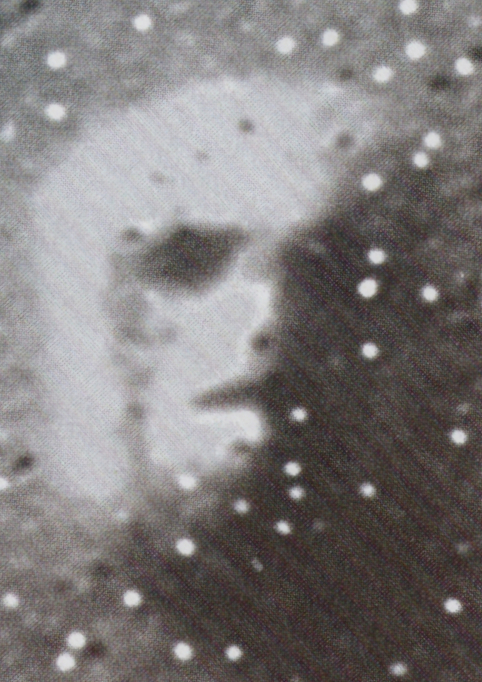
Although this photograph was published by NASA to raise public interest, that interest grew much greater and more chaotic than they expected, and, then, NASA tried to persuade everyone that this was an illusion produced by light and the angle at which the photo was taken. But their evidence didn’t convince the public. Instead, they made the belief that Mars had – or used to have – civilisation much stronger, and that NASA was simply trying to cover things up.
Let’s go with that. There is no other photographic evidence of active life on Mars, or of water bodies. Well, Mars is about 1.5 times as far from the Sun as Earth is, so it’s much colder. With a mean surface temperature of -60°C (compared to Earth’s 15°C) it’s to be expected that any water on its surface would be ice.
Incidentally, the ice we see on its poles – and which grows much bigger during local winter – is actually carbon dioxide, not water.
So, overall, other than that face – and some pyramids – there is no other evidence that Mars is currently inhabited by people. Therefore, common belief is that its civilisation disappeared thousands or tens of thousands of years before this face was photographed.
But doesn’t this face look a bit familiar? It looks to me, at least. Wild winds and sandstorms must have corroded it over these thousands of years, so let’s try to “reconstruct” it – artistically – the way it looked when Martians sculpted it.
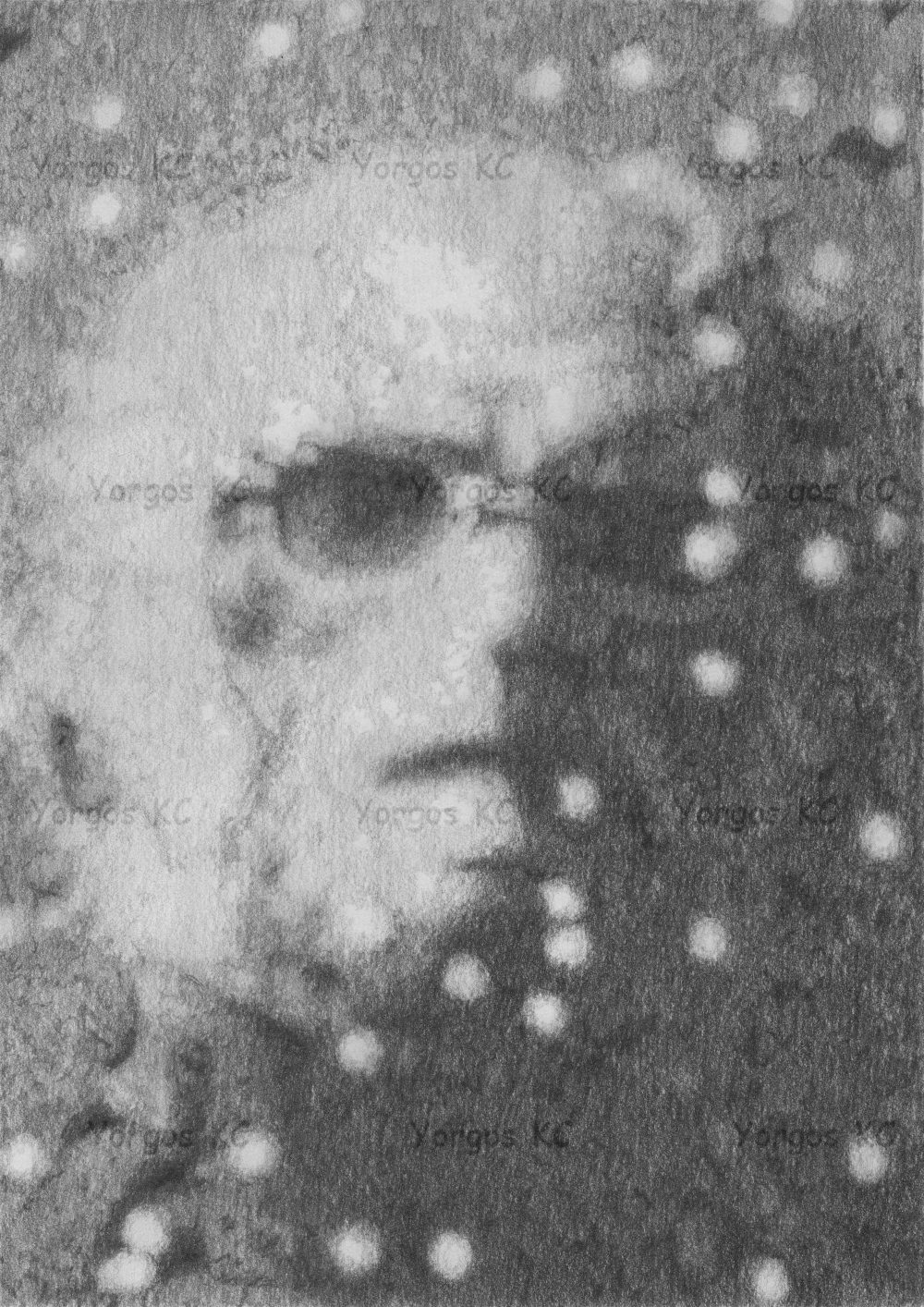
That looks close enough. Right? And now it probably looks familiar to some of you, as well. It’s evident that thousands of years ago the Martians made a gigantic sculpture of the face of none other than Isaac Asimov!
That can’t be a coincidence. Apparently, ancient Martian prophets foresaw that Earthlings, eventually, would visit Mars and they wanted us to pay attention to Isaac Asimov. But why?
Isaac Asimov is mostly well-known for his science fiction. I kind of doubt that these ancient Martian prophets wanted to advertise his literature. So, probably that’s not what they meant.
He also published some scientific works, but he basically passed on knowledge rather than creating it. If that’s what Martians meant, wouldn’t they have portrayed the ones who created that important knowledge? I think so.
So, what else did this man do? Actually, Isaac Asimov gave two prophecies of his own. Although they were prophecies based on rational calculations rather than divine enlightenment or any other kind of natural or supernatural contact with the future.
When I read these prophecies as a kid, I found one of them to be very optimistic, but equally exciting, while the other one sounded very frightening, but – thankfully – utterly impossible.
The exciting one was that “any time now” people will live in space. I don’t remember in what year he expected this would come to pass, but I remember the “any time now” feeling. As we all know, this hasn’t happened – yet.
The impossible one, though… Isaac Asimov foretold that democracy, even if the name remains, will cease to function as democracy, and basic liberties and rights will be lost. Unfortunately, we ended up seeing this happening.
Asimov had calculated that this would happen because of the rise of human population. In fact, one of the reasons he supported gay rights and gay marriage – in an era when this was against the common trends – was exactly because he believed that they would delay, at the very least, the time democracy would die – or so I gather.
But, we didn’t listen.
Another famous prophet who predicted the destruction of the world and many evils before then, Nostradamus, had expressed the hope that, if love and understanding prevail, the world can be saved. I’d love to cling to that hope, but I don’t see either of these qualities in today’s world.
Now, people and world, here is the challenge: Prove me wrong!
Yorgos KC


